
Debunking Myths About Urea Fertilizers: What You Need to Know


Understanding Urea Fertilizers
Urea fertilizers are a popular choice among farmers and gardeners due to their high nitrogen content and cost-effectiveness. Despite their widespread use, several myths surround their application and impact. This blog post aims to debunk these myths and provide you with accurate information about urea fertilizers.
What is Urea Fertilizer?
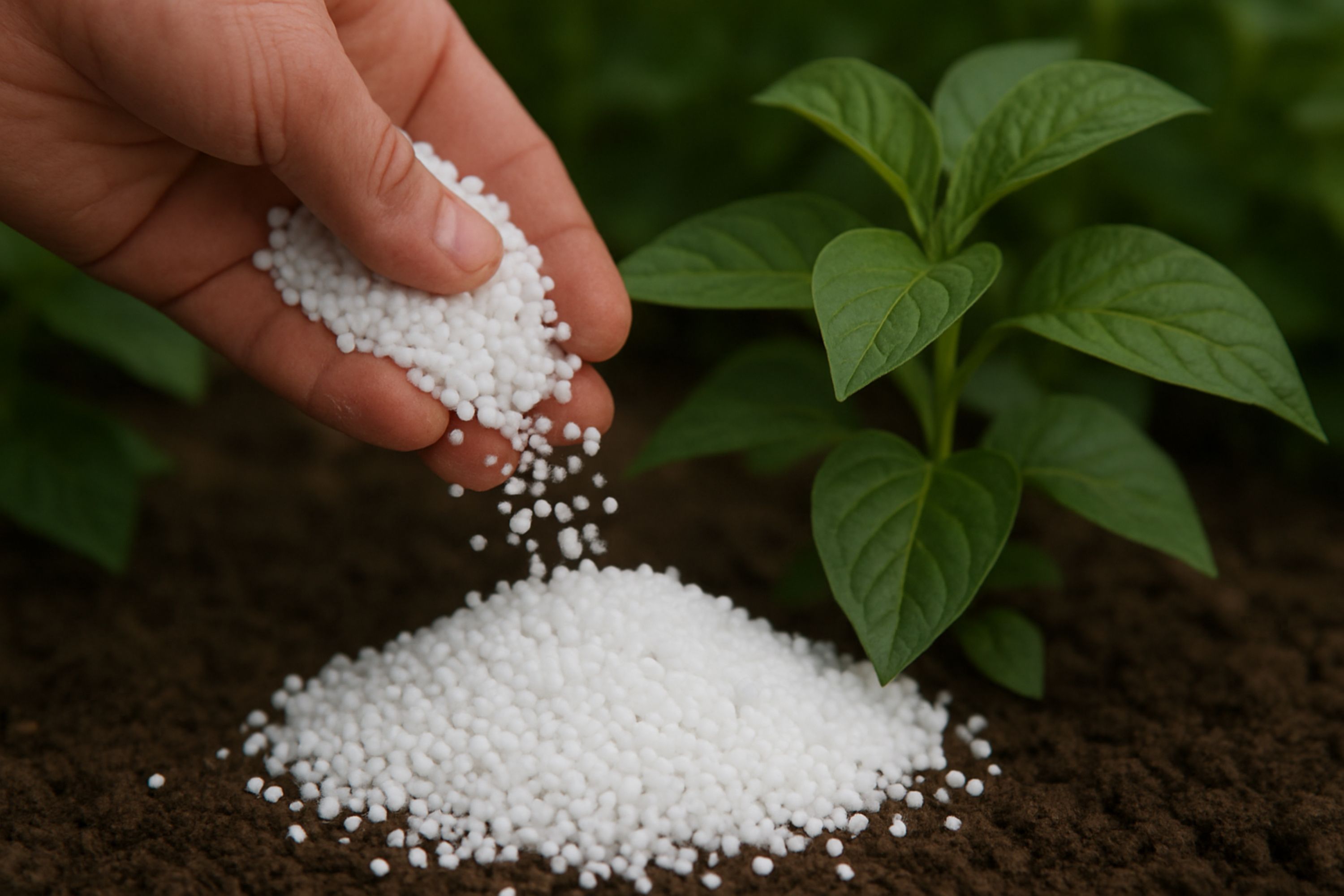
Urea is a nitrogen-based compound that is highly soluble in water, making it an efficient source of nitrogen for plants. It's known for being one of the most concentrated nitrogen fertilizers available, containing about 46% nitrogen. This high concentration makes it a preferred choice for many agricultural practices.
Myth 1: Urea Destroys Soil Quality
One common myth is that urea fertilizers degrade soil quality over time. In reality, when used properly, urea does not harm the soil. It's important to apply urea in appropriate amounts and ensure it's well-integrated into the soil to prevent nitrogen loss through volatilization. Proper management is key to maintaining soil health while using urea.
Myth 2: Urea Causes Environmental Damage
Concerns about urea contributing to environmental pollution are often exaggerated. While excessive use can lead to issues like nitrate leaching into water bodies, responsible usage and following recommended application rates can mitigate these risks. Farmers are encouraged to adopt precision agriculture techniques to optimize fertilizer application and minimize environmental impact.
Benefits of Urea Fertilizers
Despite the myths, urea fertilizers offer several benefits that make them an attractive option for crop production:
- High Nitrogen Content: Urea provides a significant amount of nitrogen, essential for plant growth.
- Cost-Effective: Urea is often more affordable compared to other nitrogen sources, making it economical for large-scale farming.
- Easy Application: Urea can be applied in various forms, including granules and solutions, offering flexibility in application methods.

Myth 3: Urea is Only for Large-Scale Farms
Another misconception is that urea is only suitable for large-scale commercial farms. In reality, urea can be effectively used in gardens and small-scale farming operations as well. Its versatility allows it to be adapted for different types of crops and growing conditions, making it a viable option for various agricultural practices.
Tips for Using Urea Fertilizers Effectively
To get the most out of urea fertilizers, consider the following tips:
- Understand Your Soil: Conduct soil testing to determine nutrient needs and avoid over-application.
- Incorporate into Soil: Mix urea well into the soil to reduce nitrogen loss and increase efficiency.
- Monitor Weather Conditions: Apply urea when the weather is favorable to prevent runoff or volatilization.

The Bottom Line
Urea fertilizers are an efficient and effective source of nitrogen for plants when used correctly. By debunking common myths and understanding their proper application, farmers and gardeners can harness the benefits of urea without compromising soil health or the environment. As with any agricultural input, informed usage is key to sustainable and productive farming practices.